Navigating Bitcoin Exposure Amid Iran–USA War Tensions
Learn how to manage your Bitcoin exposure during heightened Iran–USA war tensions. Stay disciplined and adapt to volatile crypto markets for safer trading.
Geopolitical flare-ups like the ongoing Iran–USA tensions tend to send shockwaves through global markets, and crypto is not immune. If you're trading Bitcoin at an intermediate level, managing your exposure in these moments becomes a real test of discipline and adaptability.
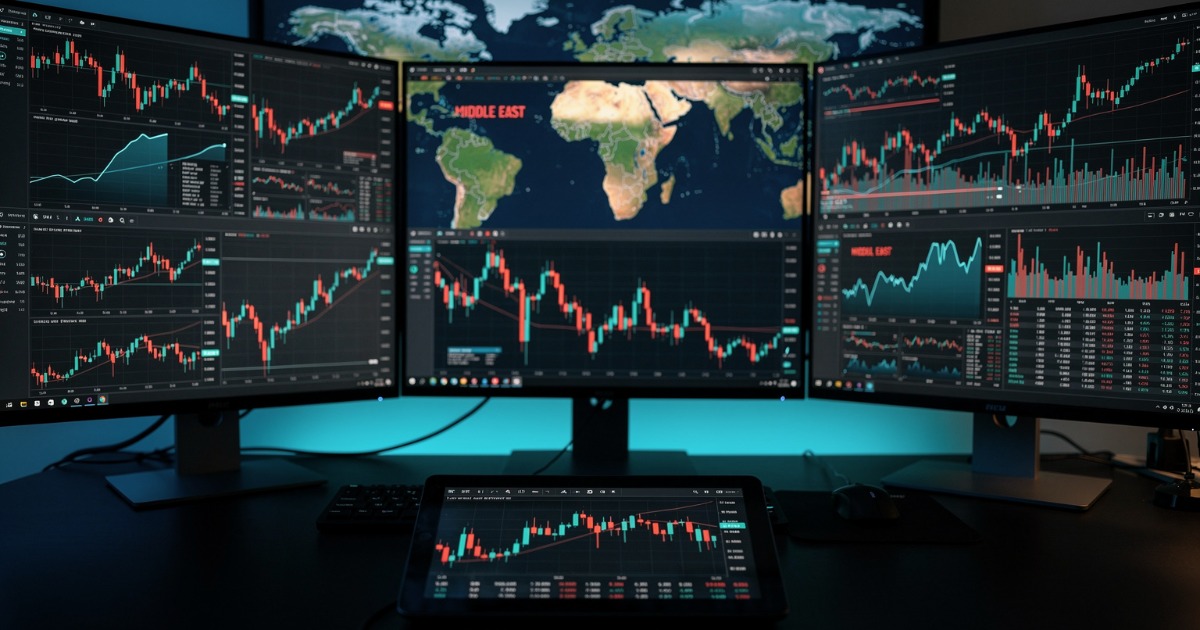
What Is Bitcoin Exposure During Geopolitical Tensions?
Bitcoin exposure is simply how much your portfolio swings with BTC's price. When geopolitical risks ramp up—think Iran and the USA squaring off—Bitcoin's volatility usually spikes. Some see it as a safe haven, others as a speculative playground. Either way, your exposure is what puts your capital on the line when the market starts whipping around.
How Geopolitical Tensions Affect Bitcoin
Traditional markets react fast to global headlines, and Bitcoin's response often stands out:
- Safe haven appeal: Some investors treat Bitcoin like digital gold during crises, hoping it holds value if fiat gets shaky.
- Increased speculation: When volatility jumps, traders pile in, chasing quick gains or hedging increased risk.
- Liquidity shifts: Money moves in and out of Bitcoin based on sentiment and perceived safety. This can create rapid price swings and sometimes thin order books, especially during after-hours news.
Practical Steps to Manage Bitcoin Exposure
Here's how you can tighten up your Bitcoin exposure when the headlines heat up:
1. Assess Current Portfolio
- Look at how much Bitcoin you hold versus your total portfolio, including other cryptos and traditional assets.
- Ask yourself if you're comfortable with the risk, especially if things turn chaotic.
2. Monitor Macro and Market Signals
- Don't rely on rumors. Stick to reliable news sources for updates on Iran–USA developments.
- Keep an eye on on-chain data and exchange order flow for early signs of market stress or unusual volume.
3. Adjust Position Sizes
- If volatility feels outsized, consider trimming or adding to your position gradually. Don't go all in or out on a single headline.
- Use partial profit taking or staggered buys. These tactics help you stay flexible as conditions change.
4. Set Protective Orders
- Place stop losses and take profits to control downside and lock in gains. Adjust these orders as new information comes in.
- Don't set and forget. Revisit your stops if the market setup shifts.
5. Diversify Across Assets
- Mix in some stablecoins, select altcoins, or even traditional assets if your platform allows. Avoid putting all your chips on correlated bets.
- In real practice, overconcentration can punish you when correlations spike during market stress.
Key Actions for Managing Bitcoin Exposure (Step by Step)
- Evaluate Portfolio Risk: Check what percentage of your holdings is in Bitcoin.
- Stay Informed: Prioritize credible news and actionable market reports on the Iran–USA situation.
- Adjust Allocations: Scale your Bitcoin position up or down based on your read of the risk and your tolerance.
- Implement Stop Orders: Use stop losses to cut losses before they compound.
- Review Regularly: Markets shift fast during geopolitical events. Recalibrate your exposure as the story develops.
Benefits and Limitations of Bitcoin Exposure During War Tensions
| Aspect | Benefits | Limitations |
|---|---|---|
| Volatility | High profit potential in sharp moves | Increased risk of sudden drawdowns |
| Diversification | Hedge against traditional market risks | Correlation may rise in extreme events |
| Liquidity | 24/7 market access | Spreads and slippage can widen |
| Transparency | Blockchain provides transaction clarity | External factors can limit predictability |
Common Mistakes When Managing Bitcoin Exposure
- Overleveraging: Cranking up leverage can shred your capital fast in volatile markets.
- Ignoring News Flow: If you're not staying on top of developments, you risk getting blindsided by major moves.
- Lack of Stop Orders: Skipping stops is a common rookie mistake. Unmanaged positions rarely end well in fast markets.
- Emotional Trading: Getting caught up in the news cycle can lead to kneejerk trades. Keep your head clear and stick to your plan.
Tools and Platforms for Managing Bitcoin Exposure
- Exchanges: Binance, Coinbase, Kraken. Pick platforms with decent liquidity and robust order types for risk control.
- Portfolio Trackers: CoinTracking, Delta, Blockfolio. Helpful for keeping tabs on your allocations and P&L.
- News Aggregators: CryptoPanic, The Block, CoinDesk. Stay updated with real time news to avoid trading blind.
- Risk Management Tools: TradingView for charting and alerts, plus bots like 3Commas or Cryptohopper if you want to automate your risk parameters.
Why This Fails in Real Conditions
Plenty of guides talk about position sizing and stop losses, but few mention the execution issues that kick in when markets actually move. During geopolitical shocks, orderbook depth can dry up. You may get filled far away from your intended price, especially with larger position sizes. Setting a stop loss doesn't guarantee your exit level. Slippage can be brutal when liquidity disappears and spreads widen. Trying to adjust positions "gradually" sounds good until you see how thin the book gets at off hours. Also, news moves faster than most traders react. By the time you see the headline, algorithms have already swept the book. Risk models built for normal days often break down under stress, and correlations spike across crypto and equities. Diversification into altcoins or stablecoins can backfire if those assets depeg or experience their own liquidity crunch. Platforms may throttle API access or halt trading under extreme volatility, which kills your automation and sometimes even your manual orders.
Advanced Execution Insight
Professionals do not rely on retail stop losses and manual entries in these conditions. They pre-fund accounts on multiple venues, use direct market access, and monitor real time order flow. Most retail tools lag behind. If you are trading size, you need to understand VWAP and how to split orders across venues to avoid tipping the book. Expect incomplete fills and rejected orders during headline-driven volatility. If you are not already set up before the event, you are late. It's not about being the first to react, but about having robust systems in place before the chaos starts.
Related Articles
 Announcements
US Intervention in the Strait of Hormuz: Implications for Crypto Trading
US intervention in the Strait of Hormuz can trigger crypto market volatility—here's how traders can prepare and manage risk during geopolitical events.
 Announcements
US and Iran Prepare for Face-to-Face Discussions in Pakistan
US and Iran are set for rare direct talks in Pakistan, a move that could impact crypto markets amid geopolitical shifts.
 Announcements
ArbSpot Launch Offer: 50% OFF + 10% Cashback + Free Trial
Unlock 50% off, 10% cashback, and a free trial with ArbSpot, the professional crypto arbitrage platform offering actionable, real trading signals.